2026 market signals from younger buyers, to rising transactions, and stabilising prices all point to smart opportunities for collectors after years of uncertainty
Lately, there have been several signs that the Art & Antiques Market is on the rise again, after a few somewhat stagnant years. So what's actually happening for the market in 2026, what clues point to a recovery, and what does that mean for us as collectors?
Recovery after the Post-Pandemic Boom
Following the Global crisis of 2020, the art and antiques market saw a crazy 'sugar high' in 2021-22, with record prices set across classic and contemporary art. However, this was fairly short-lived, and in 2024, prices dropped dramatically, with many analysts now believing the worst is behind us and signs of stability are ahead. It's important to note that this is a market 'balancing out' rather than a definite sign of growth to come.
Recovery after the Post-Pandemic Boom
Following the Global crisis of 2020, the art and antiques market saw a crazy 'sugar high' in 2021-22, with record prices set across classic and contemporary art. However, this was fairly short-lived, and in 2024, prices dropped dramatically, with many analysts now believing the worst is behind us and signs of stability are ahead. It's important to note that this is a market 'balancing out' rather than a definite sign of growth to come.
More transactions, even if prices are softer
Even though price levels have softened, the number of artworks and antiques changing hands has increased, which suggests stronger demand in the mid-market.
Younger buyers & the Growth of Digital Channels
Commentaryfrom the Antiques market suggests it is picking up, driven by younger buyers and digital channels.
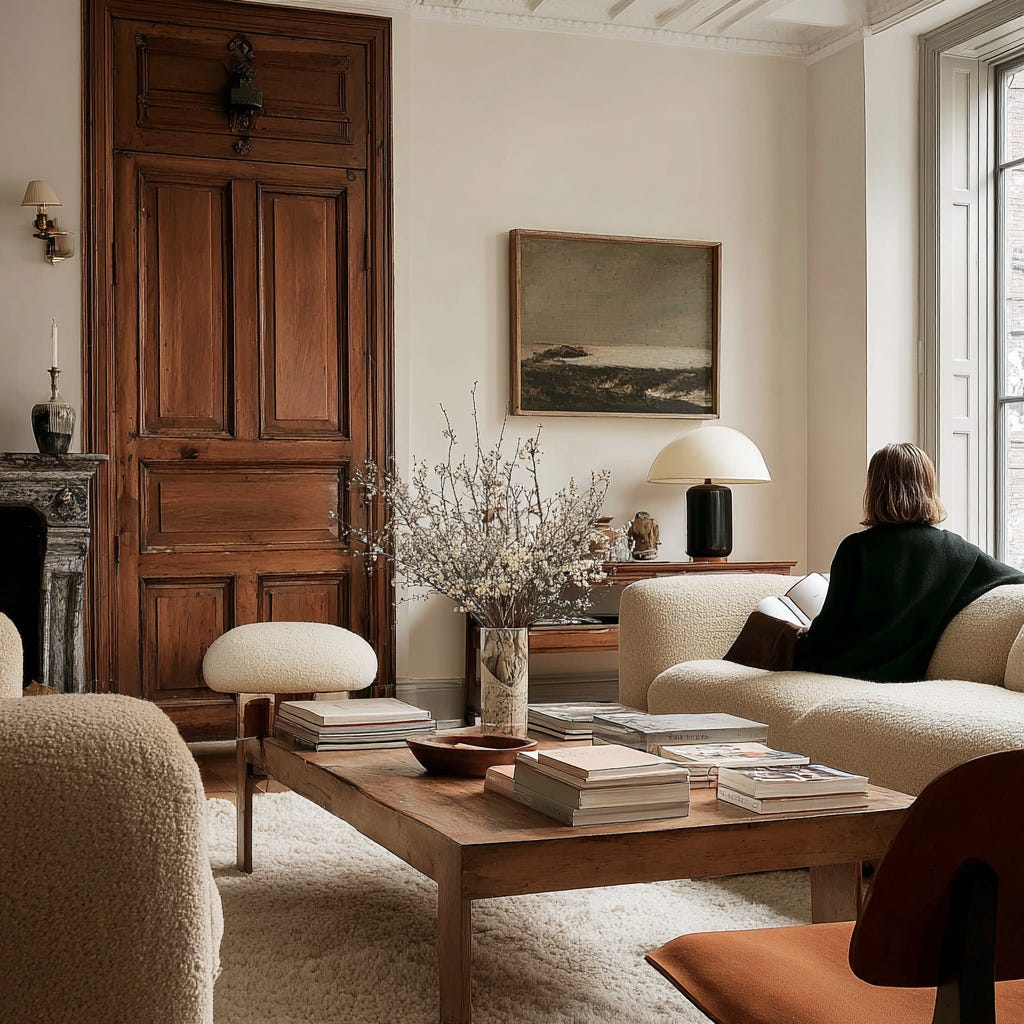
Younger customers are buying Antiques for their sustainability credentials as well as appreciating the individuality/character that these pieces offer. They appreciate the 'story' these pieces add to their homes and are increasingly driven by platforms such as Pinterest & Instagram, which help visualise the entire look.Digital channels give newer buyers easier access to research and price transparency, making the market feel less intimidating. There is also a much broader crossover between interior design platforms and the Art & Antiques markets - greater cohesion than we have probably ever seen before for the mass market.
High Net Worth Individuals are staying in the game
It is thought that high-net-worth individuals (savvy investment-wise) are allocating more funds to investing in Art. A studysays that these investors are allocating 20% of their wealth in 2025, up from 15% in 2024, with the wealthiest closer to 28%. They stated that they were optimistic about the market with little intention to sell, suggesting a stabilising environment rather than pointing to a distressed market. For the rest of us, that steady long‑term money tends to support confidence and pricing across the ecosystem.
Early signs in January 2026
Every January, London plays host to one of the world's leading Art & Design Fairs in Battersea, London. It's called the Decorative fair, and it's a must-see if you are in the city at this time of year (or indeed the fairs they hold in the summer and autumn too).
Commentary from the fair's exhibitors has cited this as their most successful fair to date, with strong interest from US buyers who came to London specifically for the event.
Whilst it is early in the year, and this is only one fair, hopefully it sets the scene for a wider optimism in our investment in curated interiors.
So what does all this mean for collectors and dealers
I think it gives us hope that investments made today will hold their value or continue to increase over time. I know many of our purchases are based on sentimental values, or pure art aesthetics or appreciation, but for many of us, value is key too, with our investment performing at multiple levels.
We have already talked about the increase in prices of Gold and Silver affecting the Antiques market today, but there are reasons to be optimistic that this trend will be seen across the wider Art & Antiques market.
My advice:
It's a good time to buy quality pieces, but always take your time. Don't chase trends; buy pieces that genuinely move you and that you can see living comfortably with what you already own.
Provenance, condition and 'story' matter more than ever as buyers get savvier — they're often the difference between something that holds value and something that doesn't.
Because liquidity is better in the mid‑market, it's easier to trade up: if you buy with intention, you can later let go of pieces that no longer serve you and use the proceeds to move your collection closer to what you really want.
What comes next?
With the world feeling so uncertain, it's hard to make firm predictions about the future. For the Art & Antiques market, I'm cautiously optimistic about 2026. Personally, as a small dealer, I have already experienced much stronger demand this year than last, so let's hope it's a sign of things to come.
Of course, the market will remain selective: quality, freshness and realistic pricing will matter more than ever, so we must always take these into consideration.
What trends have you noticed? If you would like to drop a comment I would love to hear them.
Wishing you a lovely week ahead
Leah x
If you would like to receive posts like this by email then please sign up in the box below or follow me on Substack - The Modern Collector to join in the conversation.