
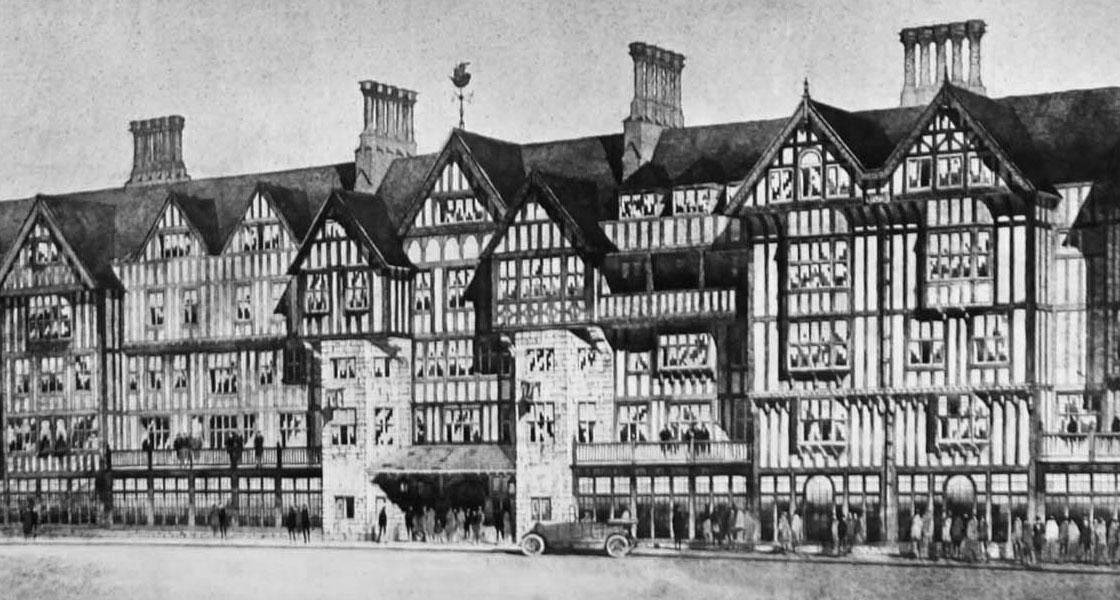
If you ask most Londoners which department store is their favourite, then I bet most of them will tell you it's Liberty. If you have never visited it, then I would urge you to do so, especially if you ever plan to take a trip to London as a tourist.
From its first-class beauty hall to its curated fashion collection's no other department store, in my book, comes close. Its legacy runs deep to people all over the world, so it's no surprise to know that early or vintage Liberty pieces fetch considerable sums at auction or on the resale market. 1920s kimono-silk panels regularly make £800-3,000 at auction, while pristine Pre-Raphaelite-era scarves with exhibition labels can hit £4,000+. Highly prized silver or pewter pieces from the early 20th century (known as Cymric or Tudric) are constantly in demand in the market.
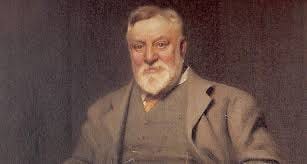
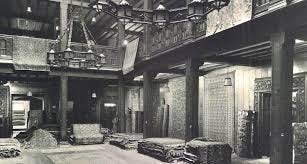
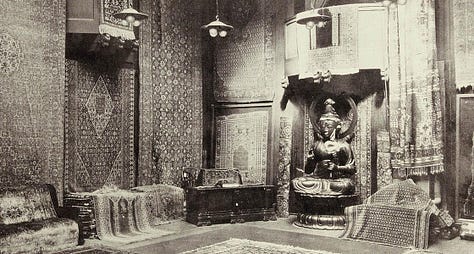
Arthur Lasenby Liberty (the founder of Liberty) and images of the original 'bazaar' style interiors and fabric rooms.
About Liberty and The Aesthetic Movement
The store was opened in 1875 by Arthur Lasenby Liberty, whose vision arguably fueled the Aesthetic Movement. He imported ornaments, silks and decorative objects from the East (Japan, India and China) to create an 'Oriental Bazaar' feel and mixed them perfectly with contemporary British design of the time. He was a leading taste maker of the time, and artists such as Whistler, Rossetti, Burne Jones and William Morris (among so many others!) were frequent visitors to the store, buying their rich materials and fans, for use in their studio portraits. William Morris also went on to have professional links to the store, as Liberty stocked his early wallpaper and textiles. Both shared a passionate rejection of industrial ugliness
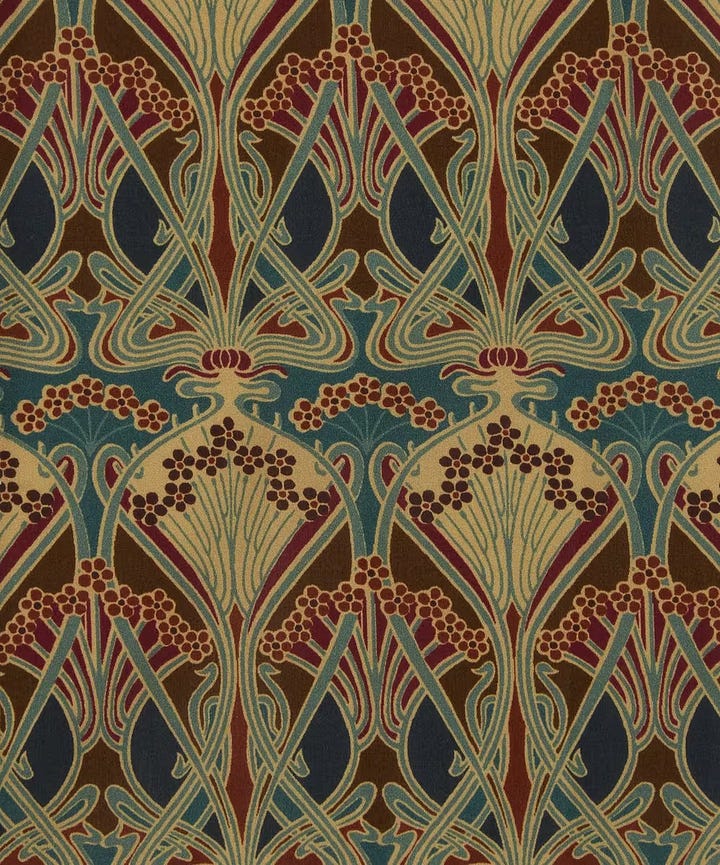
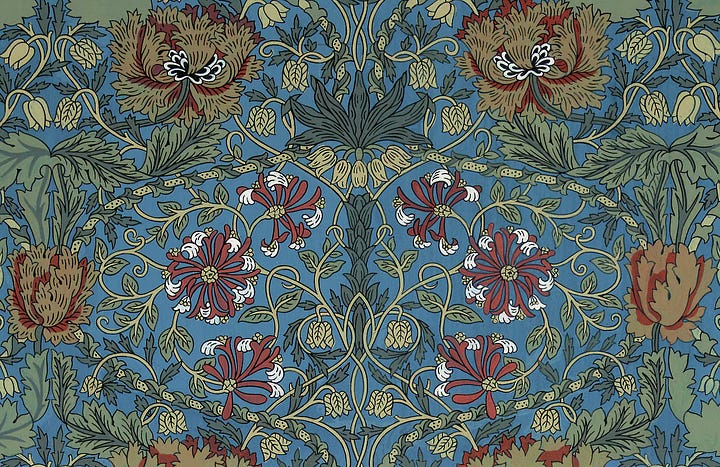
Tana Lawn by Liberty (Left) Original William Morris design for Liberty (Right)
Building an Empire and Design Legacy (1890s–1920s)
By the 1880's, Liberty designed its own textiles, and some of those prints, such as Tana Lawn, are still iconic today. Apart from William Morris, who we have already discussed, and whose work was highly influential on Liberty's own-designed range at the time, there are also several other designers whose names are also tied to this prestigious department store.
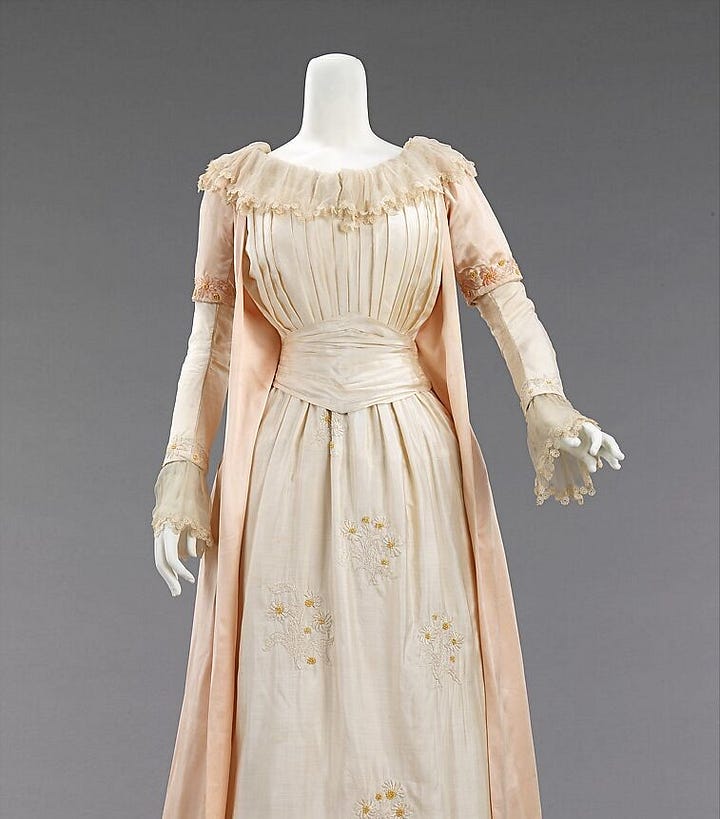
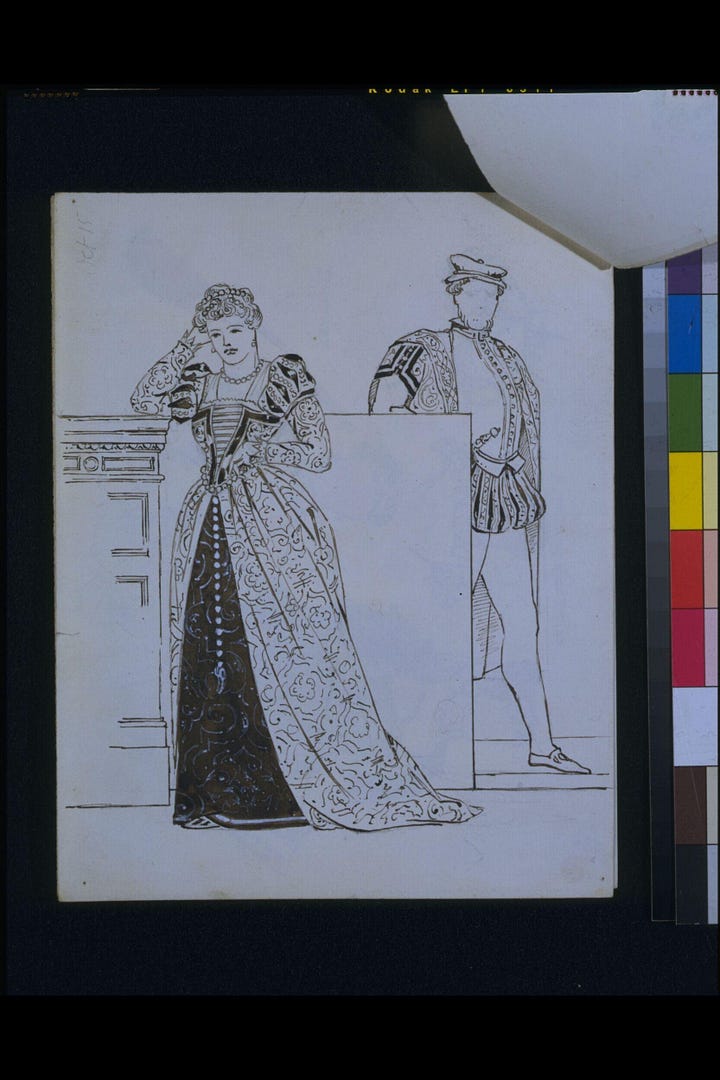
An original 1890s dress (Edwin William Godwin)Left. Sketch for Godwin design (right). Both in Pre Raphaelite romantic style
Better known as an architect, Edwin William Godwin also ran Liberty's costume department. His designs also tie back to the Pre-Raphaelite contemporary style of medieval dress, pulling away from the industrialisation of the time to a much more romantic style. Examples of these early liberty styles are on show in major collections such as the Met in New York and the V&A in London.
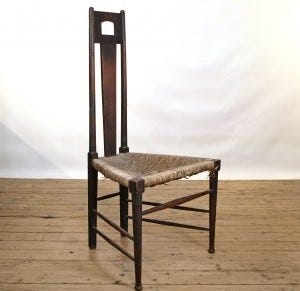
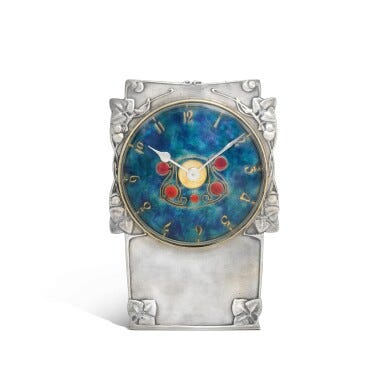
Chair by Charles Rennie Mackintosh (left) and Pewter Clock by Archibald Knox for Liberty (Right)
Charles Rennie Mackintosh and Archibald Knox are also big names associated with the early days of the store, both designing jewellery, silver & decorative objects with Celtic designs and Liberty motifs.
Moving with the Times
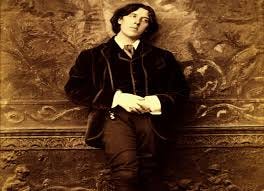
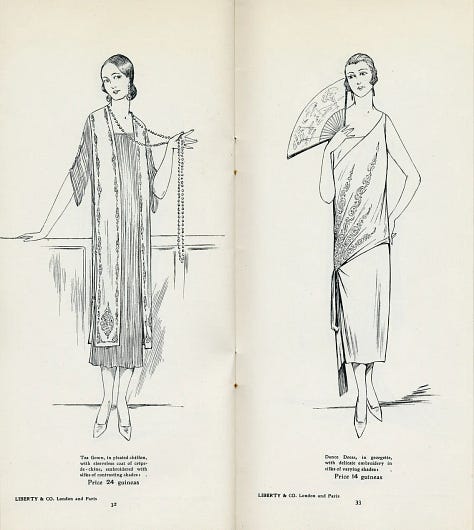
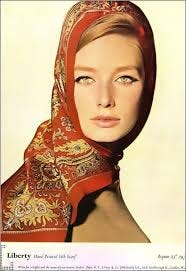
Oscar Wilde's Velvet Suit, Liberty Flapper Dresses of the 1920s and the booming Scarf business from the post war period
Other cultural moments linked to the store include the patronage of Liberty by Oscar Wilde, who is said to have worn a velvet Liberty suit on his 1882 US tour, which sparked transatlantic demand.
Liberty was also a key player in the flapper style of the 1920s and the post-WWII fashion movement when it opened an in-house design studio with key products such as printed scarves and dresses, boosting the store's fortunes.
Modern Collaborations
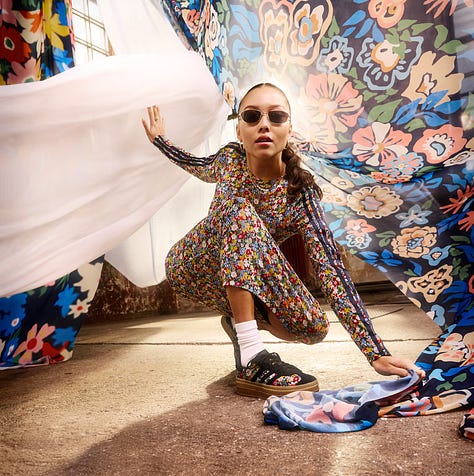
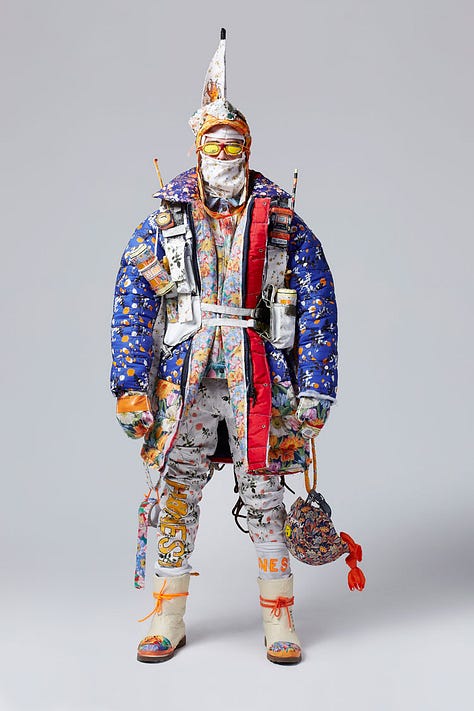
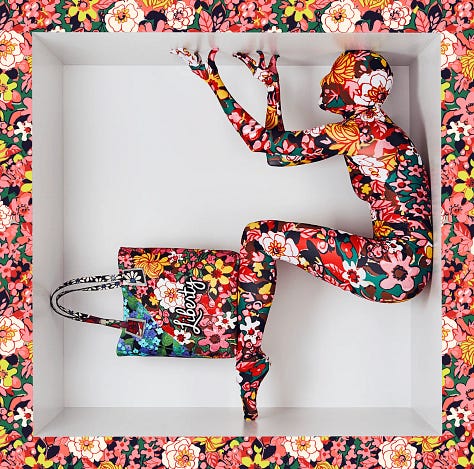
Liberty X Adidas (Left) Emerging Talent with LCF (Centre) Richard Quinn (Right)
Housing over 5,000 prints with impeccable provenance, Liberty's archive remains a creative treasure trove. Contemporary designers regularly license these patterns, proving delicate Edwardian florals are still relevant in the fashion market today - a testament to 150 years of design relevance.
Why Liberty Matters for Art & Antiques Lovers
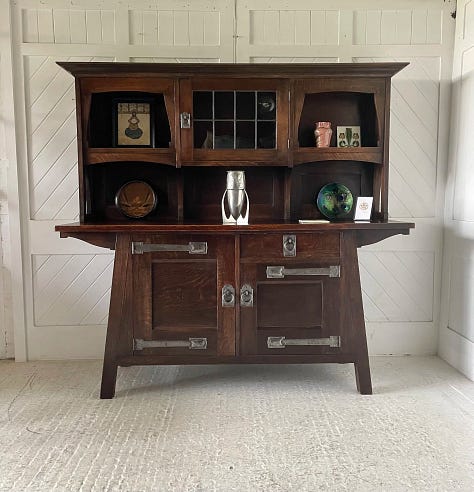
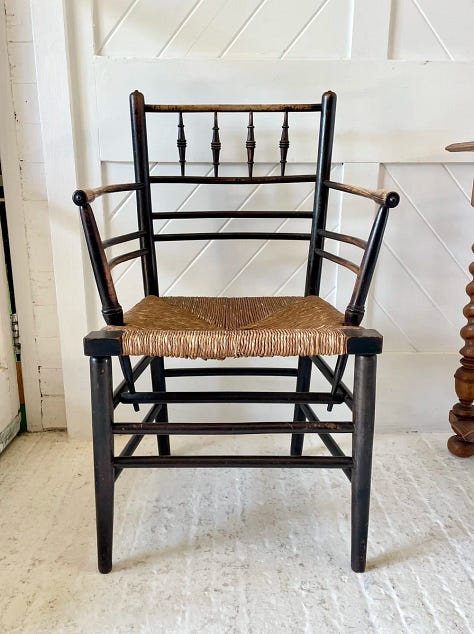
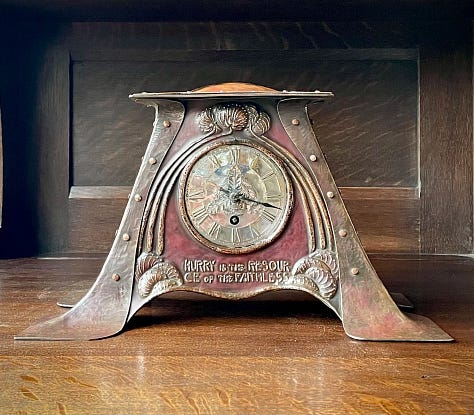
Arts and Crafts pieces as retailed by Patch Rogers
As a child, I often visited the store with my family and on the upper floors of the department store, there were many (early day ) antique Liberty pieces for sale. Sadly, this area was reduced over time, but I'm pleased to see that, gradually, there has been a return towards showcasing and retailing these products through the antique dealer Patch Rogers, whose keen eye offers some of the best Liberty pieces on the market (in my opinion).
Keeping an eye out in the market today
If you share my enthusiasm for Liberty's style and that of the aesthetic movement, keep a close eye out for pieces coming up at auction. This is something that I will continue to search for in my business and my personal collection. You can also find pieces in smaller antiques stores like mine and the larger platforms such as 1stdibs, Vinterior, or Pamono.
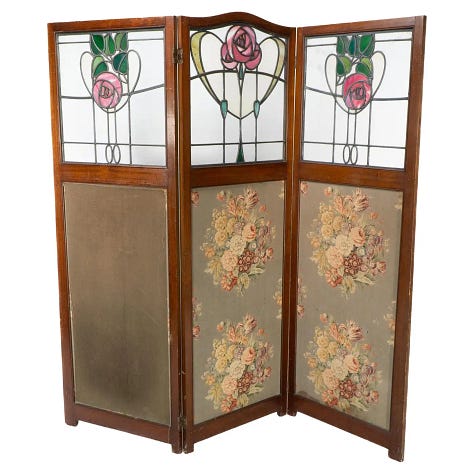
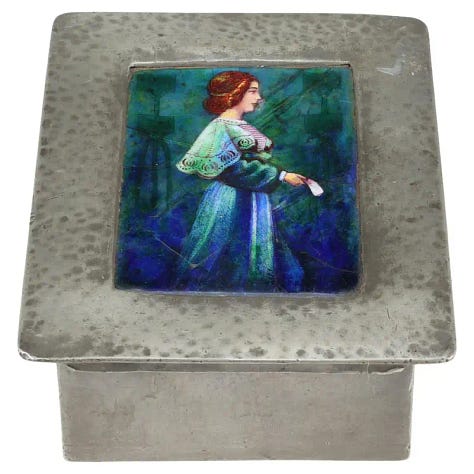
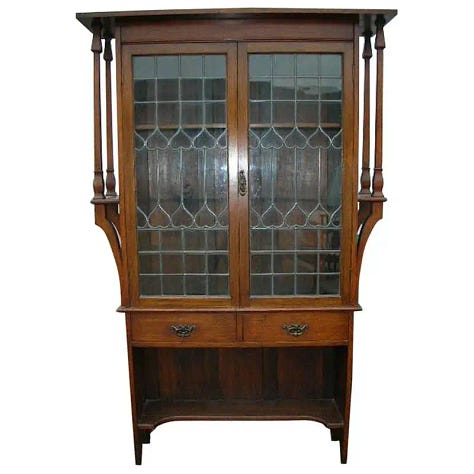
A selection of Original Liberty early pieces found for sale on 1st dibs
Visiting Liberty Today
Liberty has a fantastic curated offer of fashion, beauty and home items, living up to its legendary 'tastemaker' status. It also has a lovely cafe and places to get your haircut and have a massage. Basically, you could stay there all day!
Have you ever been before, or do you have any tips for collecting antique pieces from Liberty? If so, I would love to hear in the comments.
Leah x
If you would like to receive posts like this by email then please sign up in the box below or follow me on Substack - The Modern Collector to join in the conversation.