
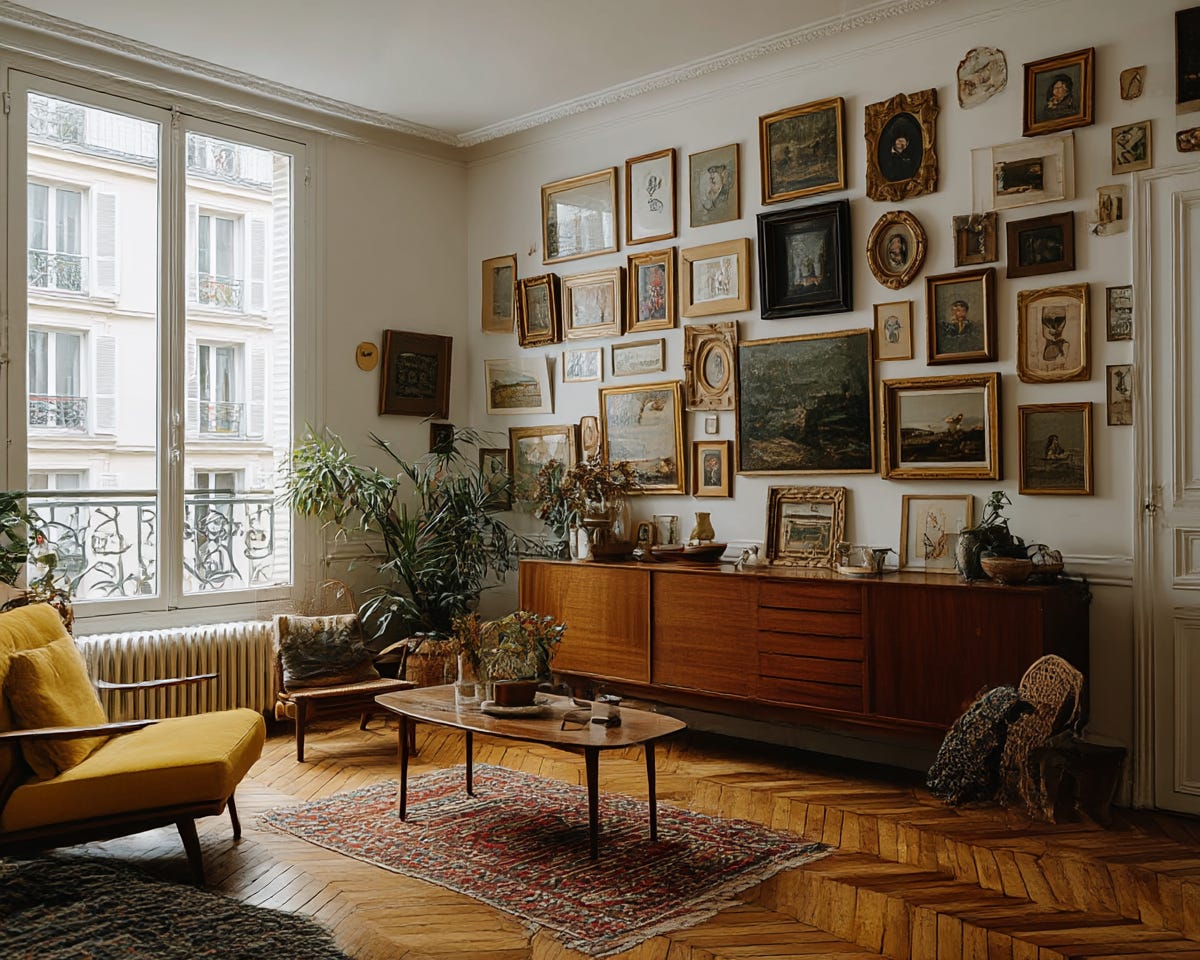
If you've been collecting art and antiques for a while, there comes a moment when you look around and realise: some pieces no longer feel like you or they 'jar' with the rest of the room. Tastes change, spaces change, or sometimes you just need the cash. I've been going through the editing process myself lately, and I've been asked what the factors you need to consider once you have made the cut are and decided what you want to sell.
1. Be clear on your goal: cash or upgrading?
You will make better choices if you decide what the sale is really for.
- If you mainly want cash, which is nothing to be embarrassed about, you'll need to be realistic on price and open to dealer or auction options where you get less than full retail but faster results. Personally, these are my go-to because they're the quickest and cleanest option.
- If you're focused on upgrading, you can be more patient and deliberate, selling fewer pieces well and ring‑fencing the proceeds for one or two really special buys.
2. Sort pieces into "where should this actually sell?"
Not every piece deserves the same amount of effort or the same audience. I tend to think in three rough groups:
A. Stand‑out pieces
Named artists or designers, good furniture, rare design etc
- These suit: decent auction houses (general or specialist), consigning with a good dealer, or carefully chosen online platforms. If your collection is varied, then consider splitting it into different auction houses that have followings for certain specialisms, e.g. in the UK, we have 'go-to' auction houses for Oak interiors, silver, art, mid-century, Urban art, etc. These guys will typically achieve the highest price for you in that genre, so don't feel pressurised into putting all your items into a 'general' sale unless logistically it makes the most sense for you and you can't deal with multiple couriers, etc. As most auction houses now work with multiple online platforms, you still have a good chance of reaching your future buyer.
- When you approach them for valuation, you will need good photos and give them any information that will help the sale, e.g. where you bought it and if you have any further information on the item's provenance that they can use to attract buyers to the piece even more. Some auction houses also let you bring items in for valuation, so this is worth keeping an eye out for, too, as some people may be happier to discuss the matter in person.
B. Nice but not extraordinary "decorative" pieces
Attractive, usable things that people will buy because they look good and are sensibly priced.
- These suit: regional auctions, online marketplaces, antiques/vintage platforms, or your own audience if you have one. I would include eBay and Vinted here, too.
- They need clear photos, simple descriptions, and realistic pricing to sell quickly.
C. Smalls, multiples and "why did I buy this?" pieces
The bits that accumulate in boxes – small frames, odd ceramics, brass, textiles that aren't quite right.
- These suit: job lots at auction, car boot/yard sales, or "bundles" online (e.g. a box of smalls).
- They need: minimal effort; don't overwork them.
A useful question is: "What is the most time‑efficient way to clear this?" Know the point at which these items just don't hold any value anymore, and consider if a charity might benefit from them more s,o you don't lose too much of your own precious time dealing with it only to get a very small return.
3. Research prices
You don't need a full valuation for every item, but guessing wildly is how we end up disappointed.
For each group of pieces:
- Look up a few recent, comparable sales: same type, similar age, similar condition. Auction archives and online marketplaces like eBay are good for this.
- Notice the actual selling prices, not just the hopeful asking prices.
- Decide on a simple band in your head:
- "I'd be very happy at £X"
- "I can live with £Y"
- "Below £Z, I'd rather keep it"
Remember to factor in fees and commissions if you're using an intermediary (In the UK these can typically be 20% or more, but they vary, so always check before making your decision). Work backwards from what you want to receive, not from the headline price.
For very ordinary pieces, it's often better to price a little keenly and let them go, rather than holding onto them for years.
4. Present pieces honestly and factually
When you're selling your own collection, there's a temptation either to oversell or to be almost apologetic. Try to land in the middle: honest and clear.
For each item:
- Note condition plainly: chips, hairline cracks, old repairs, missing bits, fading, over-polishing etc
- Mention any positives that matter: original finish, untouched surface, good colour, original upholstery (even if worn), clear marks, inscriptions, exhibition labels or provenance.
- If a small bit of work would truly help (a light clean, a new mount, a quick tighten of a loose handle), do it. If it won't move the needle, don't throw more money at it.
Think of your description as a favour to your future buyer: "Here's exactly what you're getting so there are no surprises." Being honest is key to your reputation as a seller esp,ecially if this might become a regular thing for you.
5. Take a simple record before things leave
Things can get messy fast, so before anything goes out the door, you may want to spend five minutes with each piece and keep a record.
- Take one or two clear photos.
- Jot down: what it is, when/where you bought it (if you remember), and roughly what it cost and sold for.

6. Reserve the proceeds (if you're upgrading)
If part of the point is to refine or upgrade your collection, treat the sale proceeds as a separate "collection fund" rather than letting them vanish into everyday expenses (unless you really need them there).
You might:
- Keep the money in a separate account or pot.
- Shortlist items you are now dreaming of
- Give yourself permission to wait for the right thing.
That way, selling doesn't feel like a loss; it feels exciting!
Letting Go
Letting go of pieces you've lived with is rarely purely practical. There's memory and sometimes a little bit of guilt tangled up in the decision, even if you have a list of the items you are dreaming about finding, ready to go.
On a personal note, I have shared how I am ready to sell some pieces of Urban Art pieces (bought around 2006-2010) that now look out of place in my home. I have now found a specialist Art auction house in East London to sell through - now I just need to get my pictures over there which is something I struggle to find the time to do it would seem.
If you're in the middle of editing your own collection, I'd love to hear: what are you finding hardest to part with, and what are you secretly relieved to see the back of? Feel free to share in the comments – or if you have any questions feel free to ask away and, if I can, I'll share what I have learnt along the way.
If you would like to receive posts like this by email then please sign up in the box below or follow me on Substack - The Modern Collector to join in the conversation.