

I don't know about you, but it feels like there are increasingly more and more 'quiet' references to this design style in recent fashion and interior magazines - it's popping up on my feed daily. Personally, I think it's really interesting - it's so distinct and probably a style you either love or hate, but why is it so popular again now? Perhaps the answer lies in what it brings to us at this current time - romanticism or escapism from the global news headlines of today. Perhaps our interiors have become too simple, and Art Nouveau touches add warmth and detail that complement modern trends toward simple 'quiet luxury'. But will it make a comeback in its puritan form?
Art Nouveau
The Art Nouveau era is dated in Europe from 1890–1910. It represented a move away from the Victorian focus on historic forms and offered a new, fluid and decorative style inspired by nature and the Arts and Crafts focus on craftsmanship. It was another rejection of cluttered, mass-produced aesthetics, in favour of beauty in everyday objects covering a host of different mediums such as architecture, furniture, jewellery, graphics
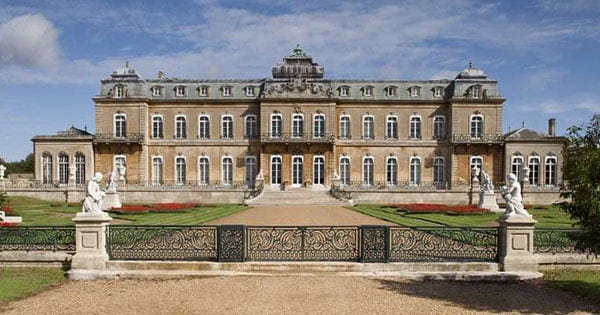
What Made It Different
Born from the Arts & Crafts rebellion against industrial ugliness, Art Nouveau embraced Gesamtkunstwerk - total environments where every element harmonised. Modern materials like curved iron, stained glass, and concrete met handcrafted traditions, influenced by Japanese prints and botanical studies.
Signature traits:
- Flowing, asymmetrical lines
- Stylised nature (lilies, irises, peacocks)
- Muted jewel tones, gold leaf accents
- Ironwork tendrils, glass marquetry
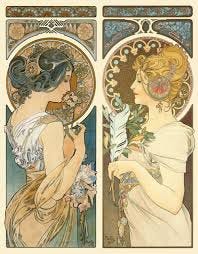
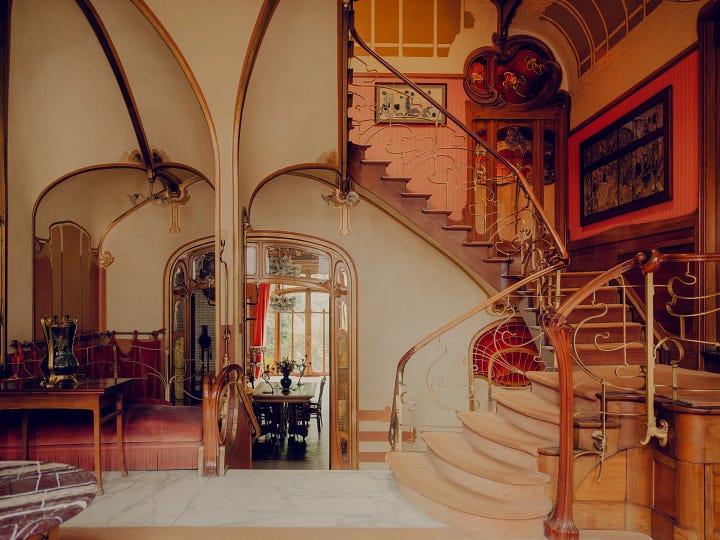
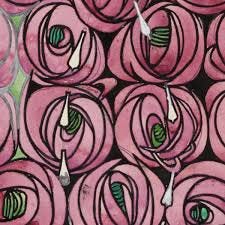
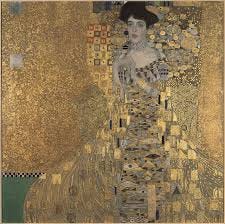
From Top Left - Alphose Mucha poster, Victor Horta Hotel Tassel, Charles Rennie Mackintosh Rose design and Gustave Klimt's portrait of Adele Bloch-Bauer
Key Cities & Designers
When you think of Art Nouveau, there are a few key names & places that spring to mind. Designers who deserve much more of a deep dive in the future:
Paris (France): Alphonse Mucha's flowing posters (Gismonda, 1894), Hector Guimard's Métro entrances with lily-pad curves.
Brussels (Belgium): Victor Horta's organic townhouses, like Hôtel Tassel (1893).
Barcelona (Spain): Antoni Gaudí's bone-like Casa Batlló.
Glasgow (Scotland): Charles Rennie Mackintosh's geometric roses.
Vienna (Austria): Gustav Klimt's gold-patterned Secession works.
Applied arts stars:
- Émile Gallé: Frosted glass vases with insect inlays
- Louis Comfort Tiffany: Iridescent Favrile lamps
- René Lalique: Jewellery of horn and enamel
Rise, Fall, Revival
Art Nouveau peaked around 1900 Paris Exposition, then crashed as Europe moved into WWI. It was seen as too frivolous for utility-focused Modernism. Mid-century collectors rediscovered it; now it's surging again as an antidote to sterile minimalism.
Current appeal: Warmth for minimalist interiors, organic shapes echoing current wellness trends. Mucha posters hit £20k+, Gallé vases £50k+, crisp silver £5k–15k at auction.
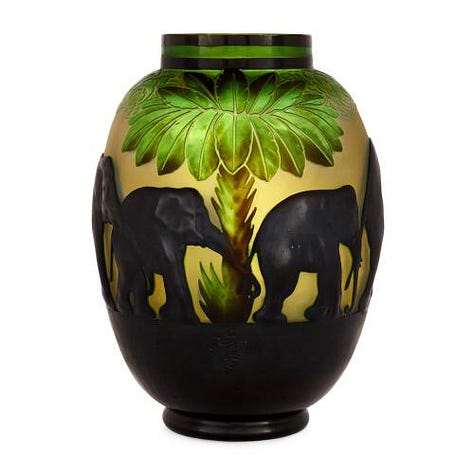
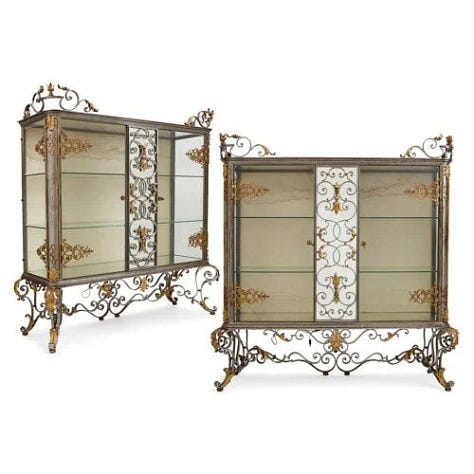
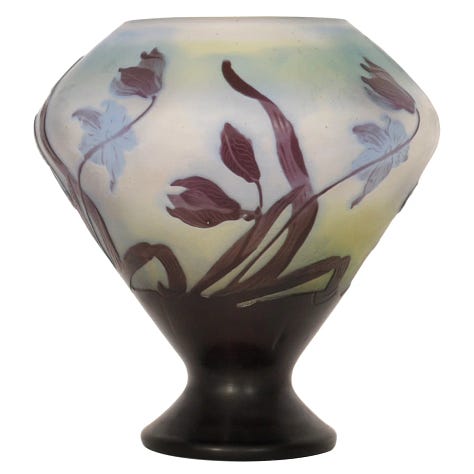
Emile Galle Glass Design and Art Nouveau furniture
Collector Guide
What to seek:
- Clean 'whiplash' curves (fuzzy lines = later copies)
- Original patina, glass, enamel
- Named makers (Lalique, Gallé, Mucha)
Price entry points:
- Small jewellery/brooches: £500–2k
- Glass vases/perfume bottles: £2k–10k
- Furniture/lamps: £10k+
Where: These pieces can be found widely across Europe. Paris/Brussels auctions and fairs, 1stDibs, specialist fairs. Glasgow School silver offers British access.
Is it really coming back?
I guess the question is if it is really coming back, and the answer, as ever, is nuanced. In art, in fashion and detail, then yes, but in elements. It's hard to imagine the same purist commitment to such a design movement these days.

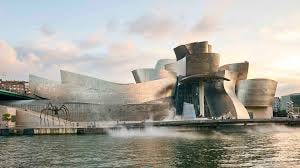
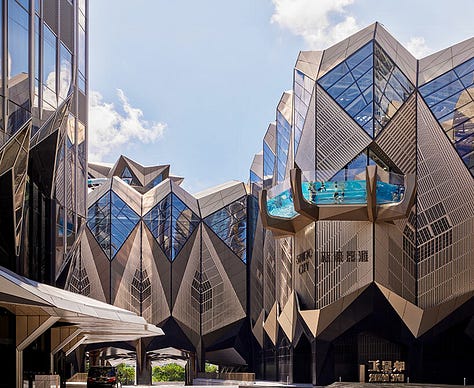
Modern Influences in Architecture - Calatrava bridge, Bilbao's Guggenheim and Zaha Hadid Architects
You won't find many new buildings calling themselves 'Art Nouveau' in 2026, but the movement's DNA is everywhere—from Calatrava's bone‑like bridges to Zaha Hadid's flowing cultural centres. The love of organic curves and total design lives on, even if the label has changed.
Art Nouveau proves beauty can be modern. I have always been wary of 'excessive' or 'fussy' design in general, from interiors to clothes, but I feel myself drawn to this recently. Anyone else?
Leah x
If you would like to receive posts like this by email then please sign up in the box below or follow me on Substack - The Modern Collector to join in the conversation.