
Jonathan Anderson at Dior is one of the biggest 'changing of the guard' we've seen in decades. He is the first designer, since the house founder, to have total creative control across Men's, Women's, and Couture. I'm fascinated by how his tenure will redefine Dior's history and also reshape the value of the vintage archives.
For a long time, Dior has felt very "of the moment", glossy, commercial, and incredibly successful. But has it been as collectable? With Anderson now at the helm of both Men's and Women's, perhaps that's about to change.
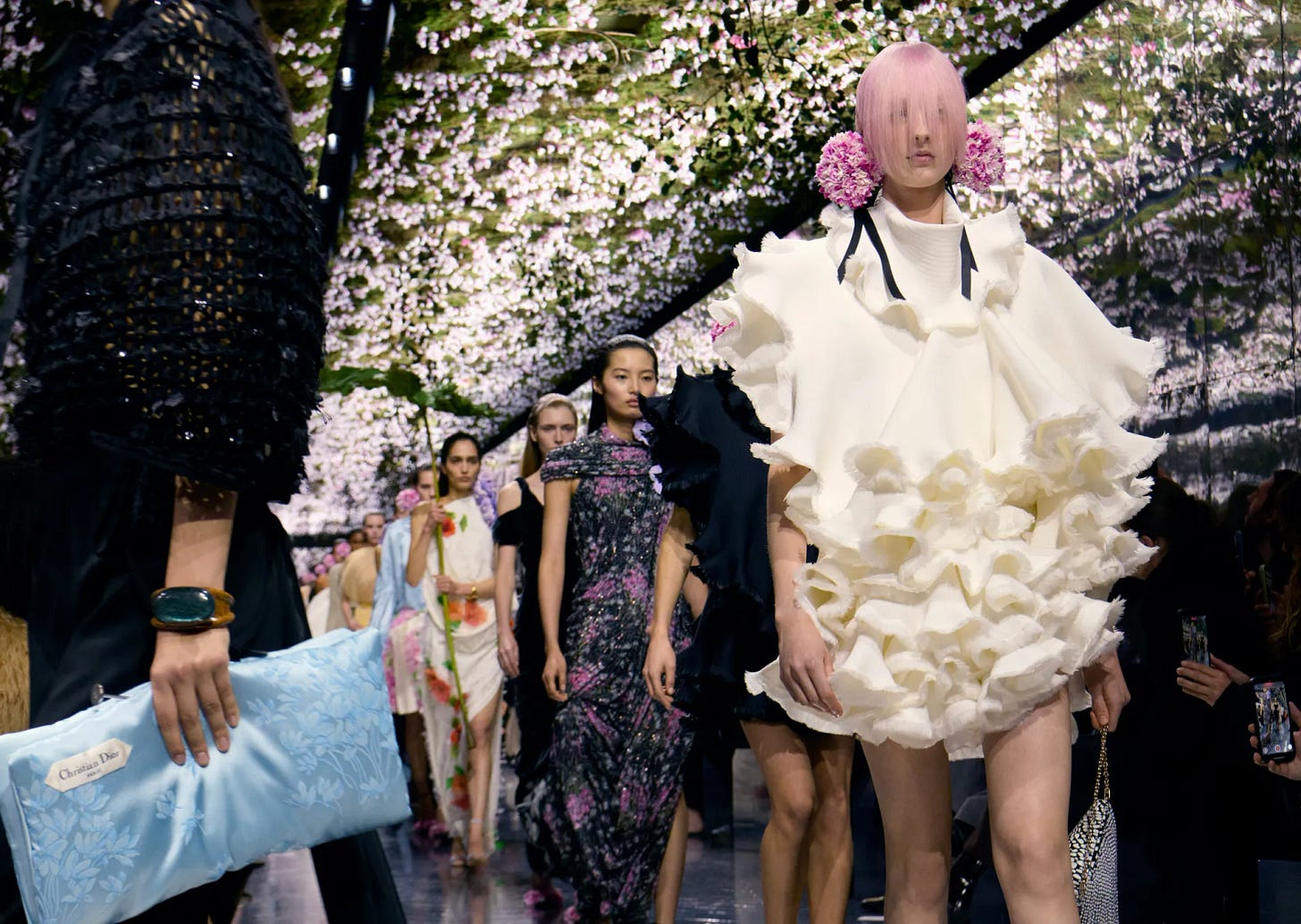
The Loewe Effect: From Retail to Museum
If we want to know what Anderson will do to Dior's value, we only have to look at his eleven-year tenure at Loewe. He didn't just sell leather; he sold a moment in fashion history. He took a long-standing heritage brand and turned its craft into a collectable asset.
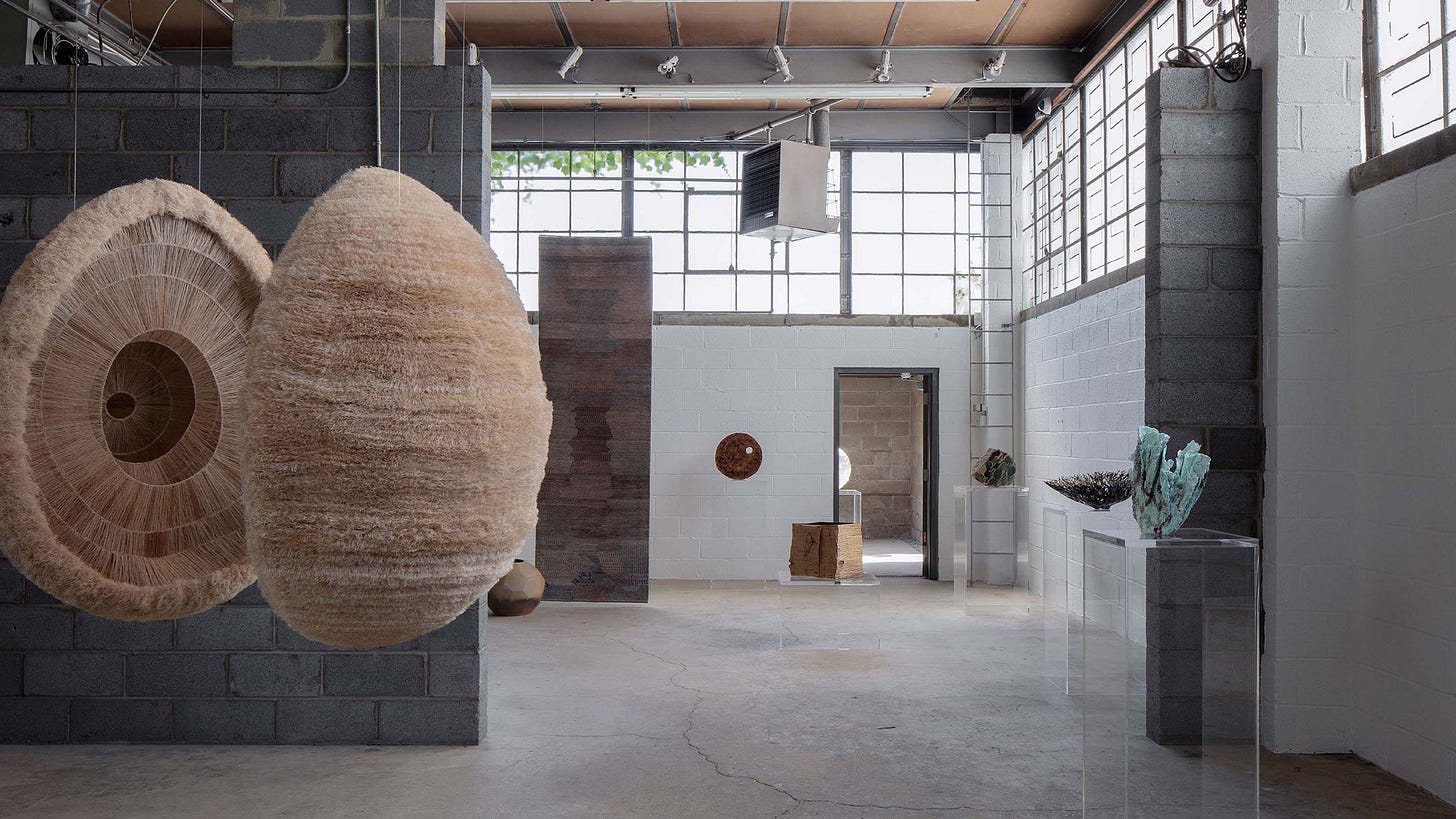
We watched his work move from the shop floor to speciality auction houses in record time. His annual "Craft Prize" and collaborations with master weavers and ceramicists, like the Joe Hogan pieces, became antiques of the future. They weren't just bags; they were signed, numbered artefacts. The infamous "Puzzle" bag has seen a 30–40% price increase at retail over the last decade, keeping its vintage resale value remarkably high.
He proved that thoughtful, creative pieces don't depreciate; they mature.
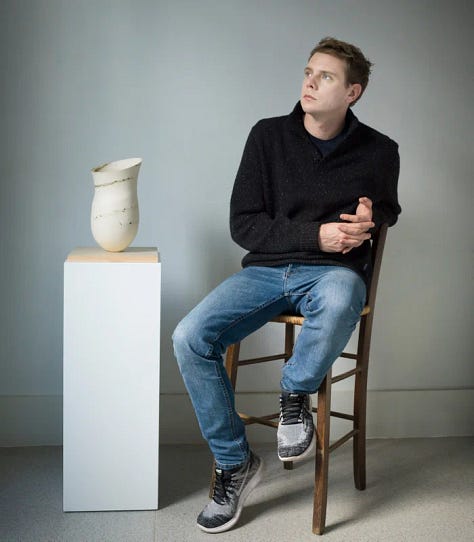
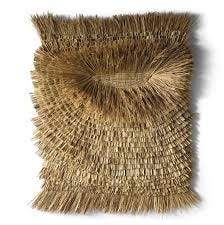
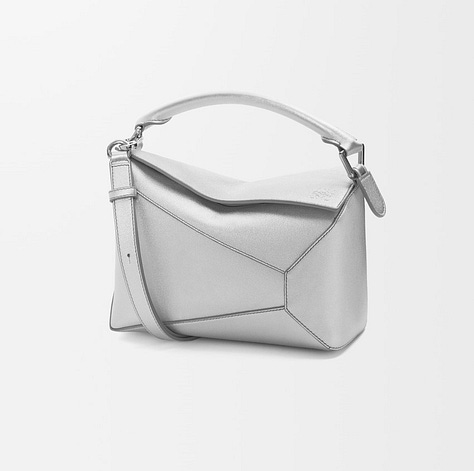
Jonathan Anderson's Craft Prize for Loewe and the Iconic Puzzle Bag
The Shift from "Fashion" to "Collector's Piece"
Jonathan Anderson is essentially a curator who also designs clothes. He shows a deep respect for materiality. He's the kind of designer who could put 16th-century basket-weaving techniques on a Parisian runway.
For those of us who deal in "nice things," this is a pivot point. If he treats Dior as a house of craft rather than just a house of luxury, the way we collect the brand changes:
- The "Weird" becomes the Investment: In the antiques world, the "oddities" are often what hold the most value. I suspect we'll move away from logo-heavy "Book Totes" and toward his sculptural, surrealist pieces—the ones that, like his famous Pigeon clutch, feel like gallery objects.
- The Archive Re-read: Anderson is a researcher. He will likely pull obscure references from the 1950s that we haven't thought about in decades. As a dealer, that's a signal: the "quiet" vintage Dior pieces, the ones without the obvious branding, are about to become the most sought-after blueprints.
The Era of the Icon
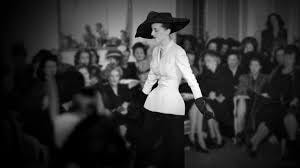
Dior's history is a patchwork of vintages. There is the Galliano era (1996–2011), known as the "High Baroque" of fashion and arguably the most collectable pieces of recent years, which gave us the Saddle Bag and newspaper prints that now command astronomical prices. Then came Raf Simons' mid-century minimalism and Maria Grazia Chiuri's commercial "Book Tote" era. Kerry Taylor Auctions, for instance, has seen landmark prices for pieces that carry true provenance—from 1950s Dior taffeta gowns selling for over £50,000 to John Galliano's early "Vultures" kimonos reaching near six figures.
Speculating on the Market
In the antiques trade, we know that prices follow the "story." Right now, the story of Dior is shifting from commerciality back to couture-level intellect.
When a designer with a collector's soul takes over, the market for the original inspirations often heats up. I'm already looking at my watchlists for mid-century Dior millinery and early couture pieces. If Jonathan starts referencing the "New Look" through his characteristic whimsy, those original 1947–1957 pieces won't just be vintage, they'll be the archival pieces for a new era of fashion history.
Tip: Entry pieces such as jewellery will likely also creep up in value so keep your eyes peeled out there in the wild.
The Question of Value
Perhaps it's too early to speculate on prices and values just yet, but an Anderson-era piece might be something to watch.
We are witnessing a profound shift in how we value "old clothes." The vintage market has moved far beyond the messy auction house rails; it is now about works of art. Speciality auction houses are reporting record-breaking sales that rival the fine art world.
Craft Prize for Loewe
Vintage Fashion Buyers Come Forward
Does the "new" version of a house like Dior make you crave the 'original' pieces even more? What other designers are you collecting? I've always been drawn to the Dior story, and I also recommend the film that came out in 2024 on Apple called 'The New Look'. I would LOVE to try on one of those vintage pieces, although I'm not sure it would be very practical for my work…. but maybe a piece of jewellery is just what I need….
Wishing you a peaceful Sunday
Leah x
If you would like to receive posts like this by email then please sign up in the box below or follow me on Substack - The Modern Collector to join in the conversation.